
If a single mineral additive could multiply façade paint durability, reduce concrete permeability, and simultaneously deliver Si + K benefits to plants would you use it? For many formulators and engineers, the smart choice is solid potassium silicate: a dense source of reactive silica and potassium that delivers mineral adhesion, environmental stability, and formulation flexibility at the same time. In this article, you’ll find both a complete technical guide and a safe purchasing path from Bavand Chemical. Bavand Chemical is the best and largest producer of potassium silicate in Iran, providing consistent quality, industrial-scale capacity, and dependable technical support.
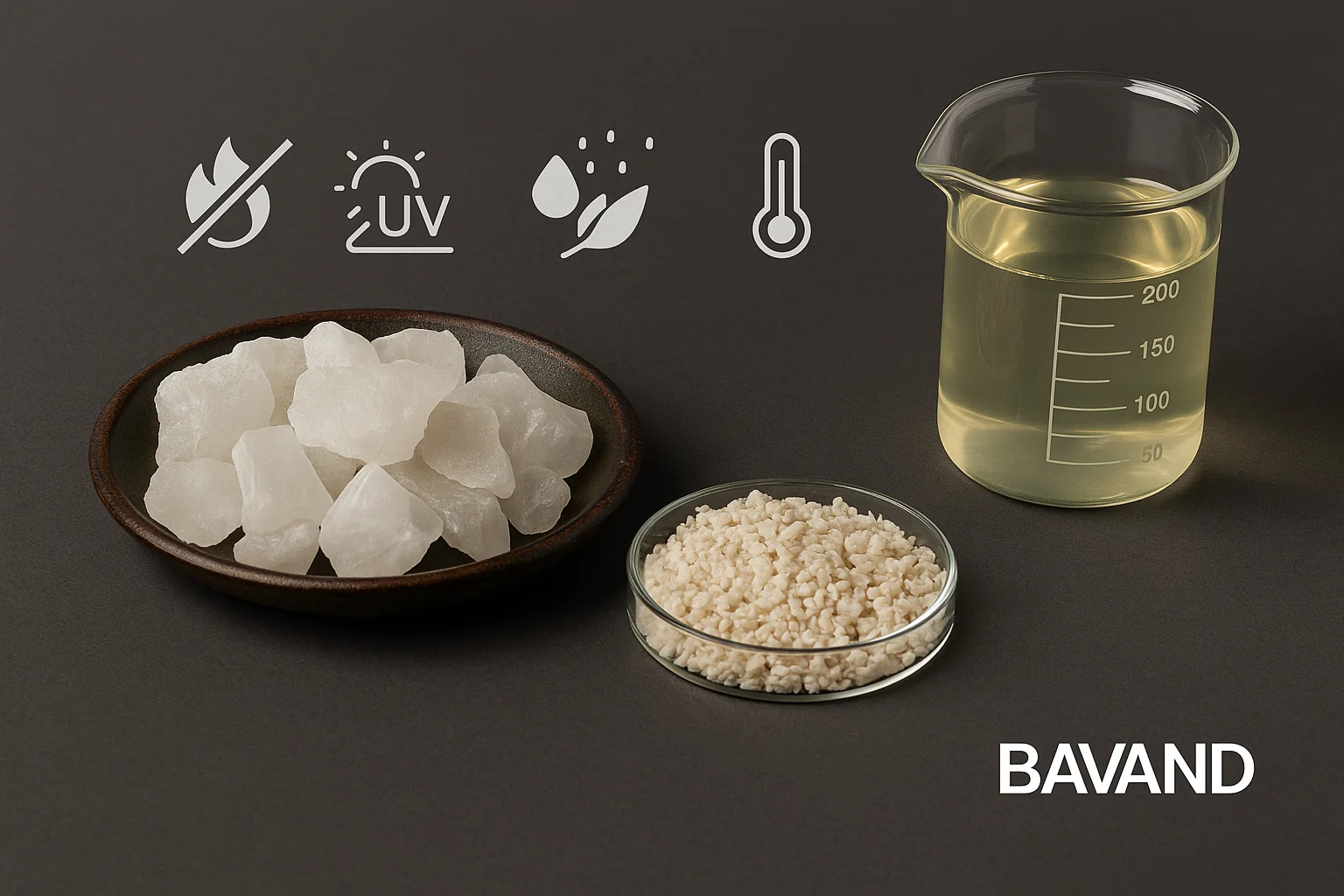
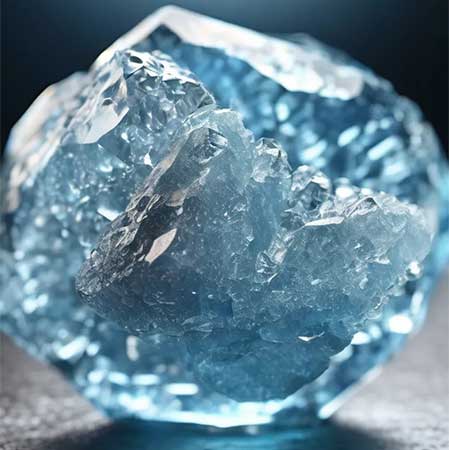
Potassium silicate (K₂O·nSiO₂) is supplied in solid form as an alkali glass. After dissolution, it yields an alkaline, reactive solution that creates mineral bonds on mineral substrates (concrete, brick, plaster, stone). The result of this bonding: high adhesion, moisture/UV stability, temperature tolerance, and environmental compatibility. Compared to organic resins, solid potassium silicate is inherently non-flammable, low-odor, and lower-hazard.
Supply forms:
·Lump/mass (for highly concentrated solutions)
·Granule/flakes (faster dissolution, less dust)
·Powder in some grades (requires dust management)
·Lower efflorescence risk in mineral/ concrete coatings vs. sodium silicate
·Strong mineral adhesion on mineral substrates and excellent compatibility with anti-corrosion systems
·Dual role in agriculture: Potassium (K⁺) + Silica (Si)
·Formulation flexibility: Adjust solids and modulus on site
· Logistics & storage economy: Easier to ship/store than ready-made liquids
Practical comparison
|
Feature |
Sodium Silicate |
Solid Potassium Silicate |
|
Alkali cation |
Na⁺ (higher efflorescence risk in some conditions) |
K⁺ (lower efflorescence risk in façades/coatings) |
|
Mineral coatings |
Good |
Very compatible and durable |
|
Agriculture |
Si without K |
Si + K (dual benefit) |
|
Price/availability |
More economical |
Usually more expensive |
|
Concrete/mortar |
Common; needs dosing management |
Suited to anti-efflorescence systems |
|
Dissolution |
Simpler in liquid grades |
Requires temperature/ agitation management |
If your project is sensitive to efflorescence or requires potassium, solid potassium silicate is the more technical choice.
Modulus (SiO₂/K₂O) governs alkaline vs. siliceous behavior:
·2.0–2.5: Higher alkalinity, faster dissolution; cleaners and some coatings
·2.6–3.0: Balanced; mineral coatings, repair mortars, agriculture (per label)
·3.1–3.5: Higher silica, greater solution stability; durable concrete/mortar and outdoor-resistant coatings
|
Industry / Use |
RATIO (Modulus) |
Notes |
|
Agrochemical manufacturing |
2.1 |
Increase soil alkalinity; foliar protection against pests. |
|
Welding electrode production |
2.1 |
Binder in electrode coating paste. |
|
Asbestos-cement roofing |
2.5 |
With pigments and clays to coat asbestos-cement sheets. |
|
Silica gel |
Various products |
Production of culture gels for botany and mycology. |
|
TV & monitor manufacturing |
3.0 |
Binder for phosphor particles in CRTs; high purity required. |
|
Food industry |
2.0-2.5 |
Anti-caking, stabilizer in dry goods, mineral fortification, pH regulator. |
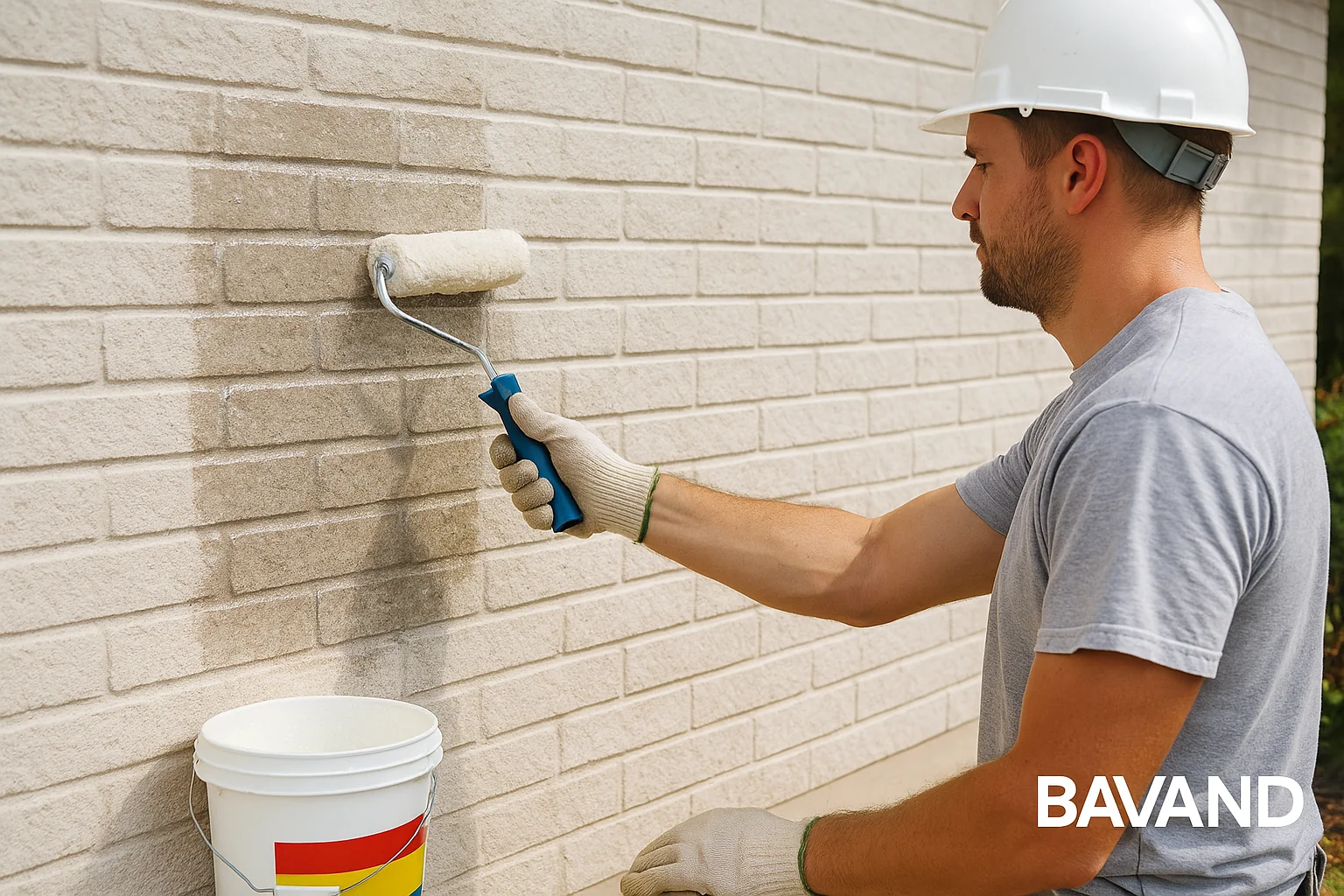
·Forms a silicate network that bonds to mineral substrates; excellent UV, moisture, and weathering resistance
·K⁺ advantage: lower surface efflorescence and improved appearance durability
·Suggested modulus: 2.6–3.3 (depending on system and solids)
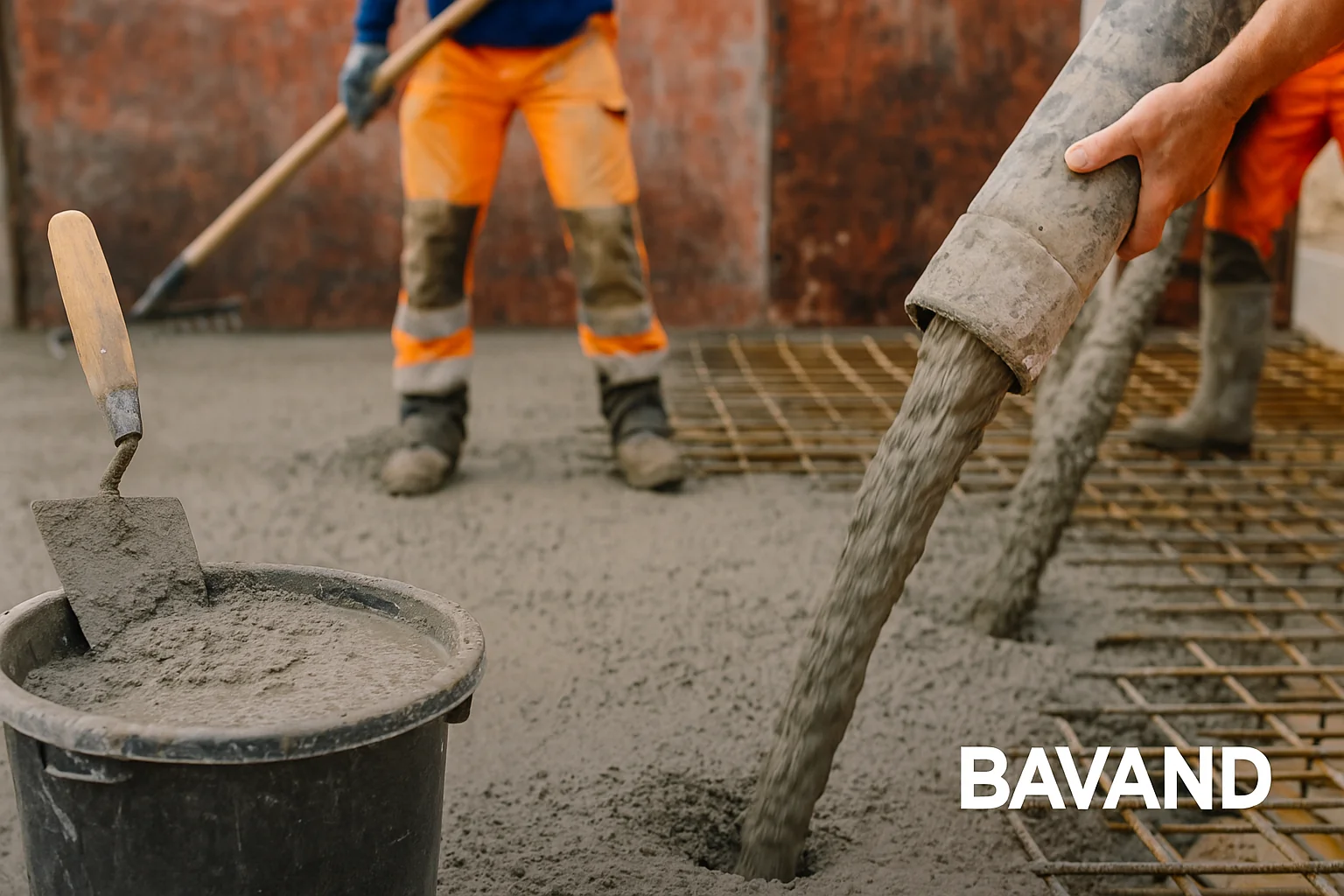
·Reduces permeability, enhances durability, and supports some geopolymer systems
·Execution tip: low dosage and controlled curing to avoid efflorescence/ unwanted gelation
·Suggested modulus: 3.1–3.5
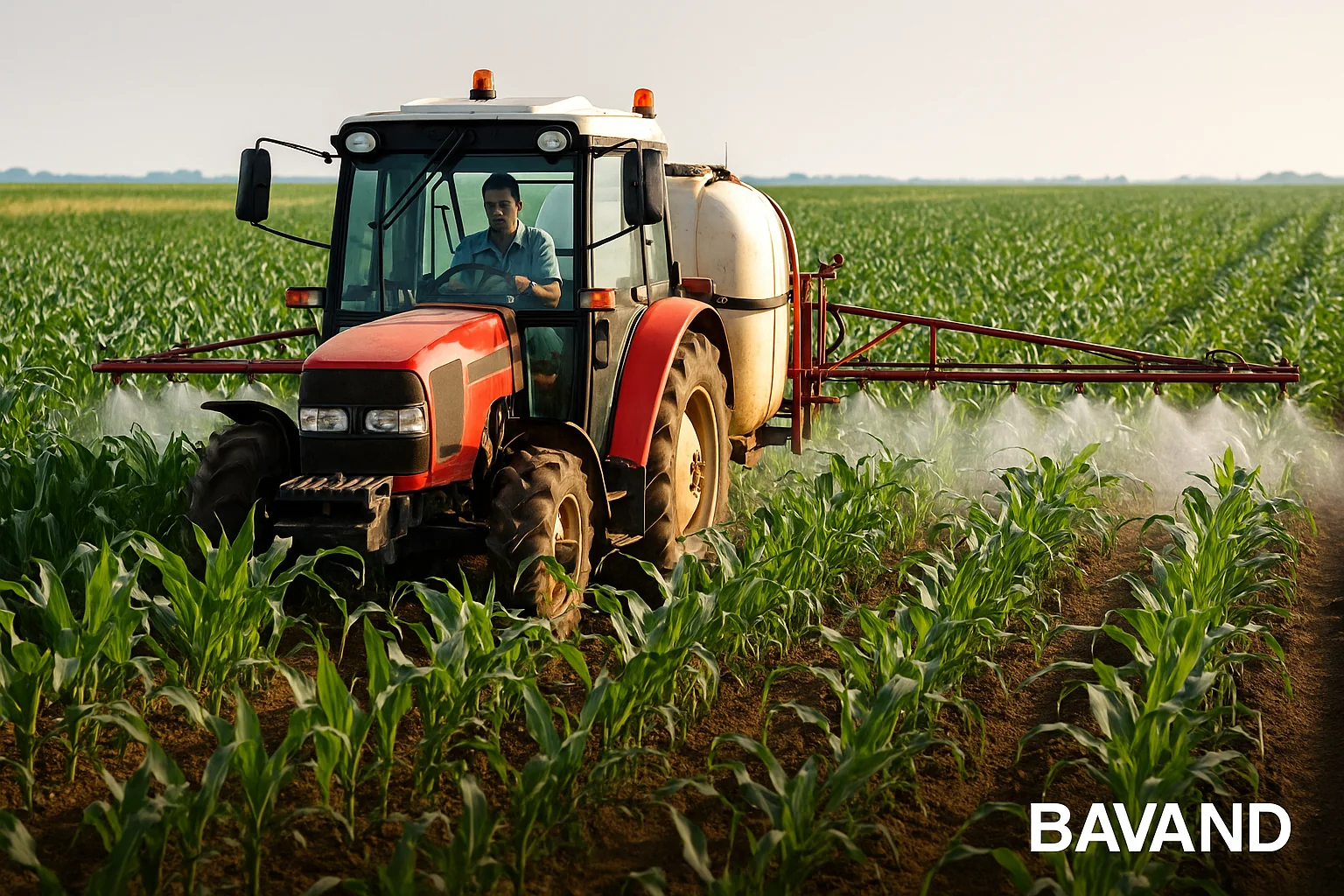
·Silicate source to strengthen cell walls and improve plant stress resistance; potassium supports nutrient balance
·Methods: foliar spray 1–3% (10–30 g/L) and soil/fertigation (start 5–20 kg/ha, based on soil test/ pilot)
·Safety: high pH; verify dilution and tank-mix compatibility
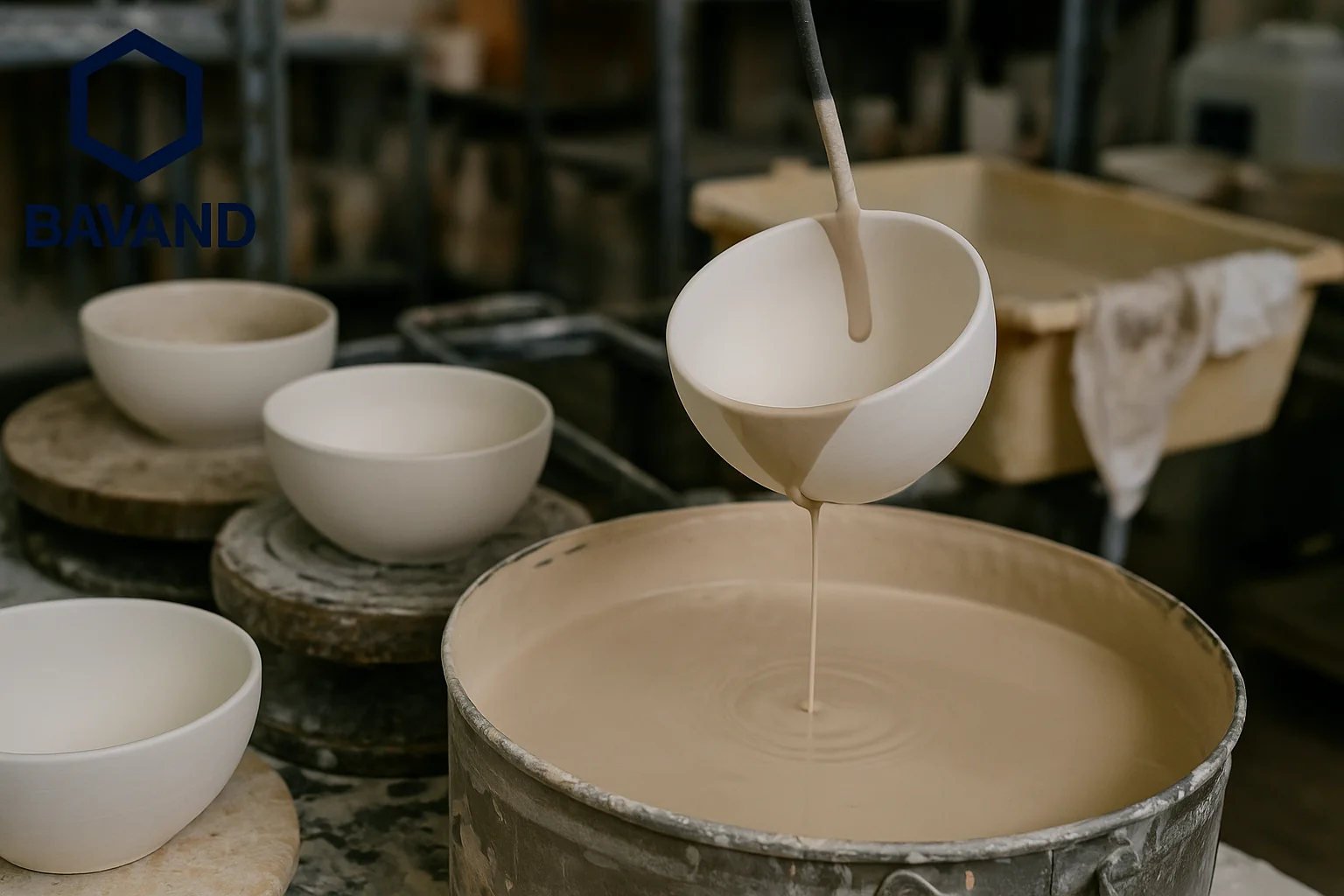
·Improves dispersibility, reduces settling, and stabilizes rheology; reactive silica helps control the glaze network
·Provides effective alkalinity, corrosion inhibition, and aids soil dispersion; K⁺ is advantageous on sodium-sensitive lines
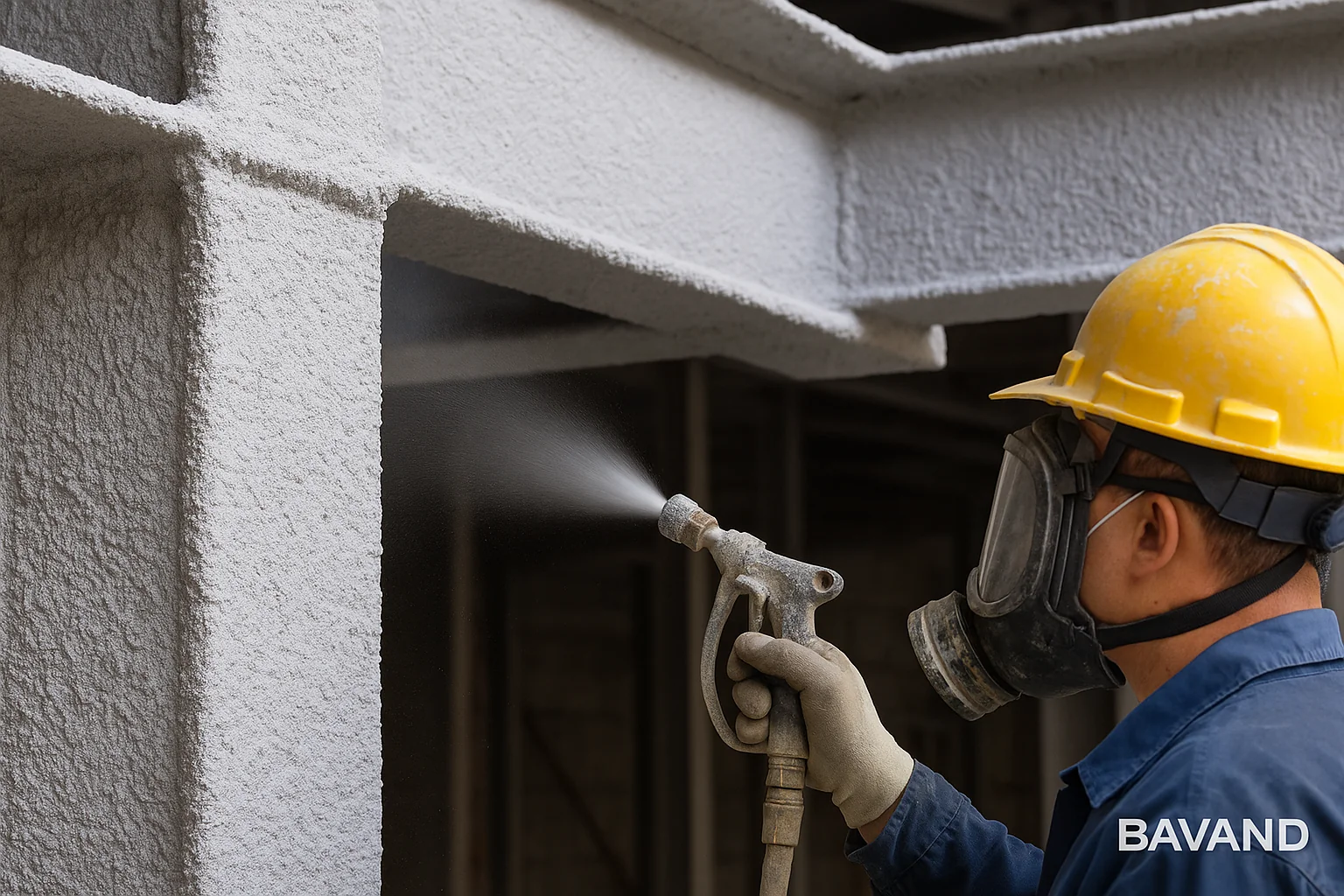
·Builds a high-temperature mineral network; suitable for mineral primers and insulating systems
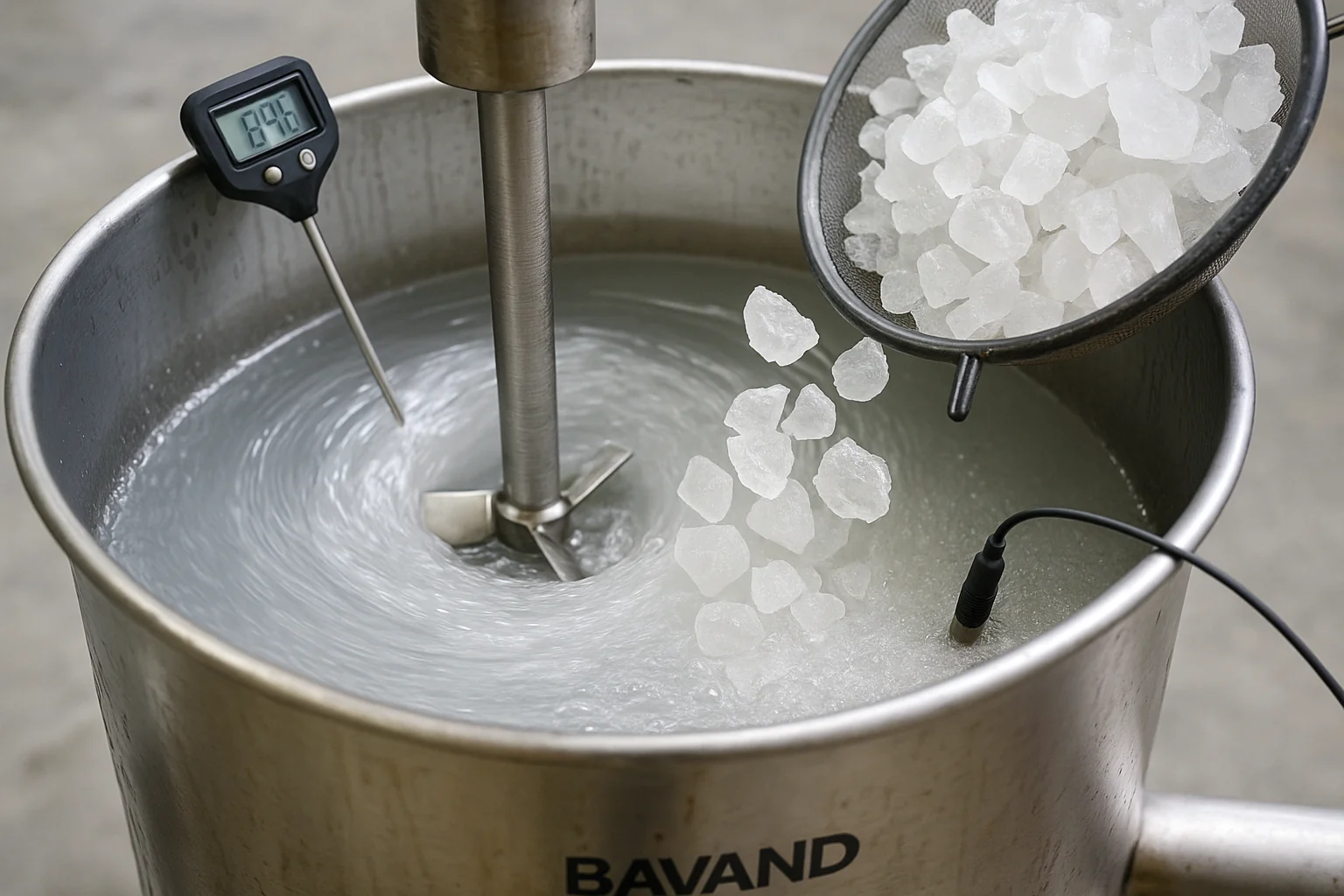
Equipment: Stainless steel/PP tank, propeller agitator, indirect heating to 70–85 °C, 200–400 μm filter, thermometer, conductivity meter/hydrometer.
1.Bring soft/deionized water to 70–85 °C.
2.Gradually add the solid under uniform agitation (avoid pouring water onto the solid).
3.After full dissolution, continue mixing 5–10 minutes to ensure homogeneity.
4.If needed, adjust modulus/solids by dilution or complementary solution.
5.Filter and keep warm to avoid cold gelation at high concentrations.
Common mistakes: Adding all solid at once (clumps/gel), using hard water (haze/precipitate), rapid cooling of concentrated solution (viscosity spike).
·Working pH is high; in sensitive systems use buffers/dilution
·Control % solids by loss-on-drying or calibrated hydrometer/conductivity
·Obtain COA/SDS from the supplier covering modulus, K₂O%, SiO₂%, Fe₂O₃, insolubles, and moisture
·A/B testing: change only one variable at a time (modulus, solids, dose) and monitor KPIs (adhesion, durability, efflorescence, set time)
|
Key Practical Note |
Industry / Application |
Suggested Modulus (SiO₂/K₂O) |
|
Lower efflorescence; mineral bonding & outdoor durability. |
Mineral coatings |
2.6–3.3 |
|
Lower permeability; low dosage, controlled curing. |
Concrete/mortar |
3.1–3.5 |
|
Check tank-mix; precise dilution; high pH. |
Agriculture (per label) |
2.6–3.0 |
|
Control settling; dispersibility & rheology stability. |
Ceramics/glaze |
2.2–3.1 |
|
Sodium-sensitive lines; effective alkalinity/corrosion inhibition. |
Industrial cleaners |
2.0–2.5 |
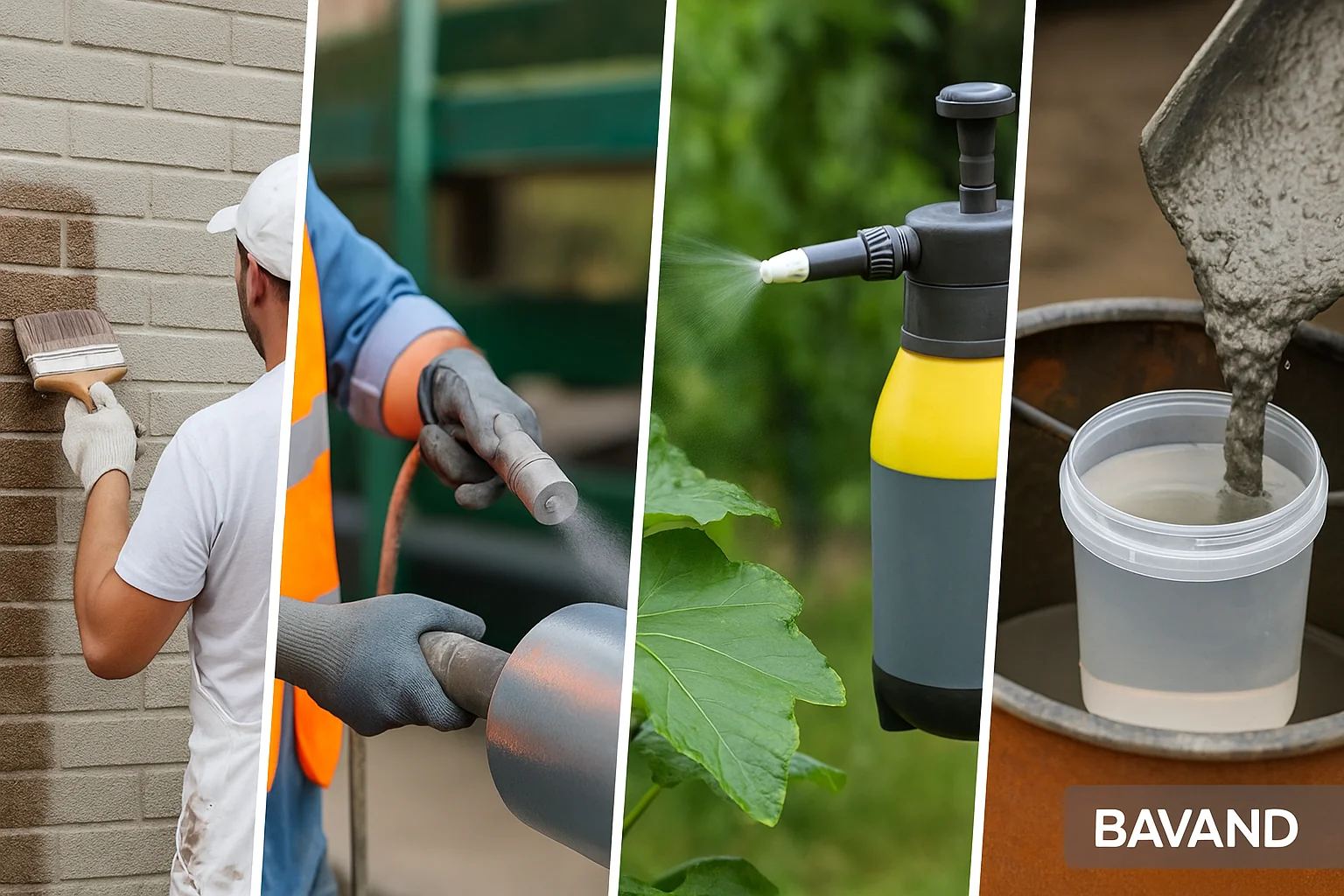
·Water-based mineral sealer (concrete/brick/plaster): 2.5–3% potassium silicate in the mix; yields a clear, mineral, durable film
·Steel/bridge protective coating: potassium silicate + zinc powder for high corrosion resistance in humid environments
·Concrete/mortar: potassium silicate solution at 2.5–3% of cement weight; improves durability and mechanical/moisture resistance
·Agriculture (foliar): 1–3% (10–30 g/L) with periodic applications during the growing season
·Agriculture (soil/fertigation): start 5–20 kg/ha (after soil test and field pilot)
·Incompatibility with organic additives: some dispersants/resins are unstable at high pH → review addition order and compatibility
·Corrosion of carbon-steel equipment: use stainless/PP and resistant fittings
·Slurry rheology collapse: adjust agitation speed, temperature, and addition sequence; prevent agglomeration
·Flash set in mortar: reduce dose; optimize cure method/time
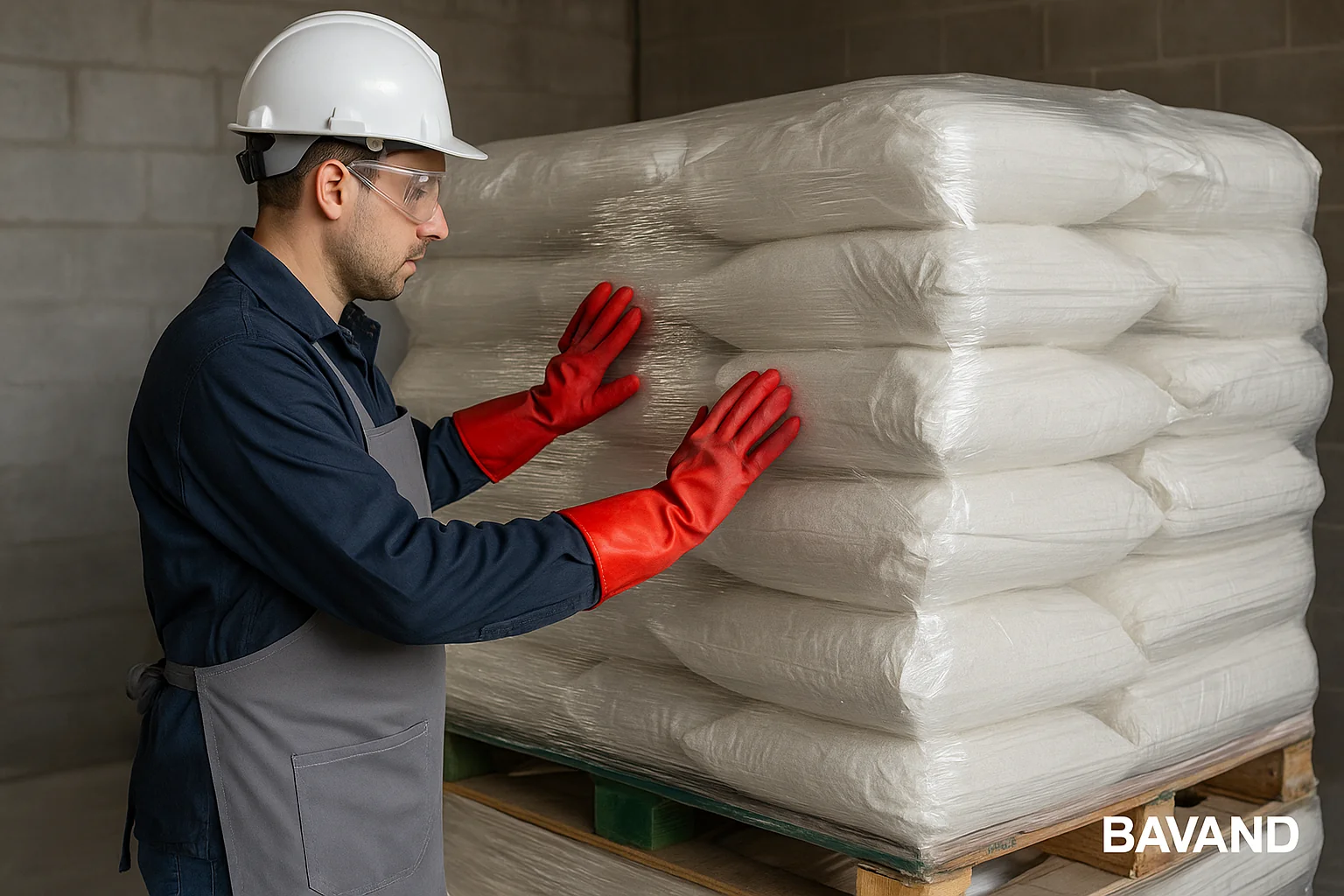
·Strongly alkaline: full PPE required (alkali-resistant gloves, goggles, apron)
·Dry, cool storage: away from moisture and acids; use laminated/double bags on pallet with stretch wrap
·FIFO: avoid caking and quality loss
·Emergency action: prolonged water rinse for skin/eye contact and consult SDS
A mineral paint manufacturer, by replacing part of the sodium-based binder with solid potassium silicate (modulus ~3.0) and maintaining dissolution temperature (~80 °C), recorded a marked reduction in surface efflorescence and higher wet adhesion over six months of field monitoring. In the project’s steel section, the K-silicate + Zn layer significantly lowered corrosion rates.
Solid potassium silicate—with its mineral adhesion, environmental durability, dual K+Si role, and formulation flexibility—is a smart choice for mineral paints, concrete & mortar, agriculture, ceramics, and refractories.
For pricing, samples, and expert consultation, contact Bavand Chemical now so we can recommend the most suitable grade and modulus for your application.