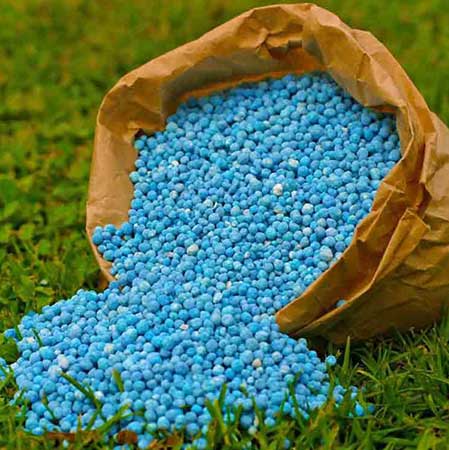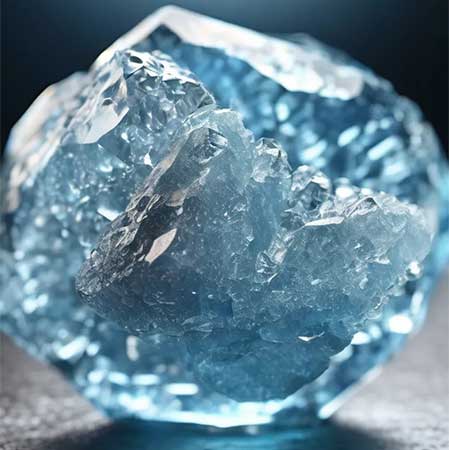

Have you ever wondered how a cost-effective, multi-purpose, and reliable material can stabilize carton adhesion, boost the strength of sand molds, reduce concrete permeability, and even play a vital role in industrial detergents? That’s exactly where solid sodium silicate (solid water glass) comes in. In this comprehensive guide grounded in field experience and technical tips—we’ll cover everything from definitions and modulus to industrial applications, dissolution method, safety, a purchasing checklist, and troubleshooting. If you’re looking for reliable supply, valid COA/SDS, and formulation consulting, Bavand Chemical as one of the suppliers of this product is here to help. Many industrial buyers across the region consider Bavand Chemical the best sodium silicate manufacturer in Iran thanks to its tight modulus control, consistent COA/SDS documentation, dependable delivery, and responsive formulation support.
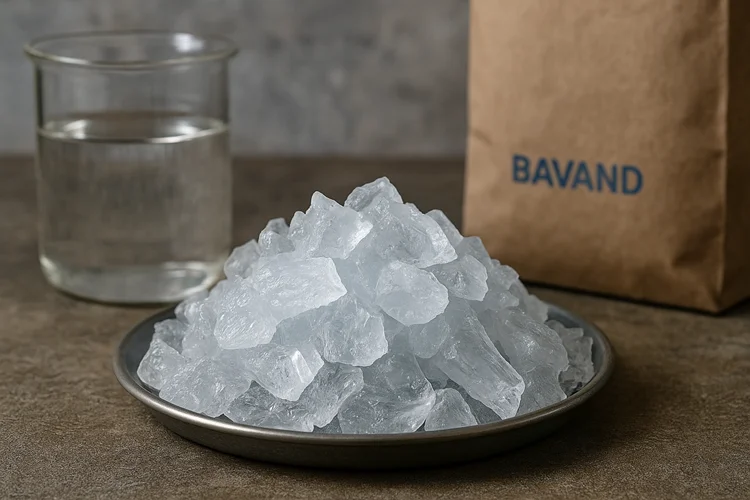
Solid sodium silicate is a family of compounds with the general formula Na₂O·nSiO₂, whose properties are defined by the modulus (SiO₂/Na₂O) ratio.
· Lower modulus (≈ 2.0–2.5): Higher free alkalinity, faster dissolution; useful for detergents and applications that demand higher reactivity.
·Mid modulus (≈ 2.6–3.0): A desirable balance between alkalinity and silica; suitable for paper and carton adhesives and many foundry lines.
·Higher modulus (≥ 3.1): More silica, lower free alkalinity, better solution stability; suitable for concrete/mortar, glazes, and ceramics.
Forms of supply: lump/massive glass, granules/flakes (more common for faster dissolution, lower dust), and in some grades powder.
· Cost-effective logistics: Lower freight cost per ton of delivered silica than ready-made solution.
·Formulation flexibility: Make the desired solids content at the point of use.
·Better storage: With moisture-proof packaging, it’s more stable than liquids that can be vulnerable to cold/heat.
· Quality management: Tighter control over target modulus, concentration, and additives.
Bavand Chemical note: If you have a dissolution/heating unit and QC capability, solid sodium silicate is usually the more economical and flexible option; for small projects without equipment, the ready-to-use liquid offers simpler commissioning.
|
Solid Sodium Silicate |
Liquid Sodium Silicate |
Feature |
|
Lower cost per ton of silica |
Bulkier; higher freight cost |
Transportation |
|
Make any desired solids content |
Fixed factory formula |
Flexibility |
|
Moisture-sensitive |
Sensitive to freezing/evaporation |
Storage |
|
Requires dissolution/heating unit |
More limited |
Commissioning |
|
High (adjustable) |
More limited |
Modulus |
Equipment: Stainless steel tank, propeller agitator, indirect heating up to 70–85 °C, 200–400 µm filter, thermometer/conductivity meter.
Steps:
1.Heat the water to 70–85 °C.
2. Gradually add the solid under agitation (avoid lumping).
3.After full dissolution, continue mixing for 5–10 minutes to ensure uniformity.
4. If needed, adjust modulus using complementary solutions or buffers.
5. Filter, and keep warm to prevent cold-gelation.
Common mistakes:
· Pouring water onto solid (lumping)
· Using untreated hard water (cloudiness/insolubles)
·Sudden cooling of concentrated solution (gelation/high viscosity)
(combining two texts + new structuring)
In most lines, end-use is as a solution prepared from solid sodium silicate. Below are the key industries and practical notes for each.
|
Industry |
RATIO |
Use Cases |
|
Soap & Detergent Manufacturing |
2.0 |
Primary raw material with cleaning and foaming properties. |
|
Tile & Ceramic |
2.2 – 2.5 |
Additive in initial slip; improves strength and gloss. |
|
Steel |
3.2 |
In briquetting and sponge iron production. |
|
Carton & Paperboard (Egg Tray) |
2.5 – 2.6 |
Improves adhesion in pulp. |
|
Rubber |
3.2 |
Enhances abrasion resistance and mechanical properties. |
|
Nanosilica & Metasilica |
2 – 2.2 – 3 |
Raw material for nanosilica production. |
|
Cement Production |
2.5 – 3 – 3.2 |
Binder for sand; accelerates cement drying. |
|
Thermal Insulation |
انواع محصولات |
Refractory insulation; heat/weather resistant. |
|
Tile & Ceramic |
2.2 – 2.5 |
Additive in initial slip; improves strength and gloss. |
|
Adhesive |
2.5 |
Low-cost, non-toxic, environmentally friendly adhesive. |
|
Conveyor Belt |
3.2 |
Wear- and corrosion-resistant in belt manufacturing. |
|
Chemical & Electroplating Industries |
Various products |
Raw material in chemical processes. |
|
Concrete Construction |
2.5 – 3 – 3.2 |
Improves stability and durability of concrete. |
|
Fire-Retardant Materials |
2.6 – 2.7 – 3 – 3.2 |
Refractory insulation in various industries. |
|
Water-Hardness Reduction |
Various products |
In filtration to remove hardness ions. |
|
Soil Stabilization |
Various products |
Soil stabilization in civil projects. |
|
Refractory Foams |
2.5 – 3 |
Reinforces adhesion in refractory mortars. |
|
Nanosilica & Metasilica |
2 – 2.2 – 3 |
Raw material for nanosilica production. |
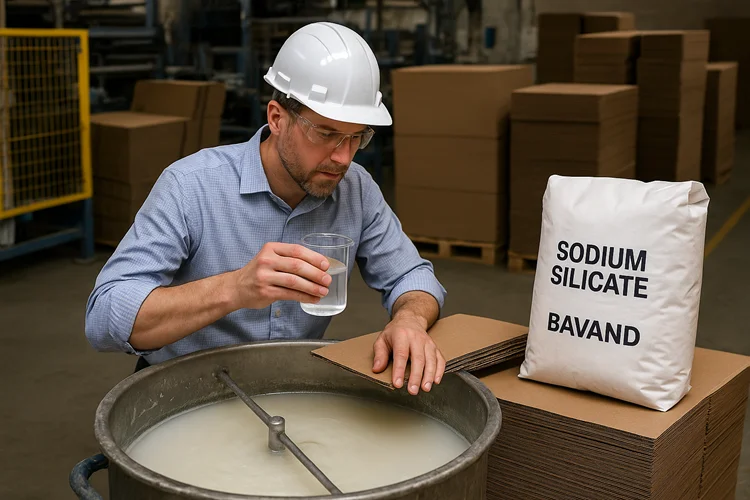
·Mineral adhesive to increase fiber bonding and dry/wet strength.
·Improves de-inking process and print quality.
·Recommended grade: modulus 2.6–3.0 (balance of alkalinity/silica).
·Practical tip: Start with 5–15% solution and tune viscosity to the line.
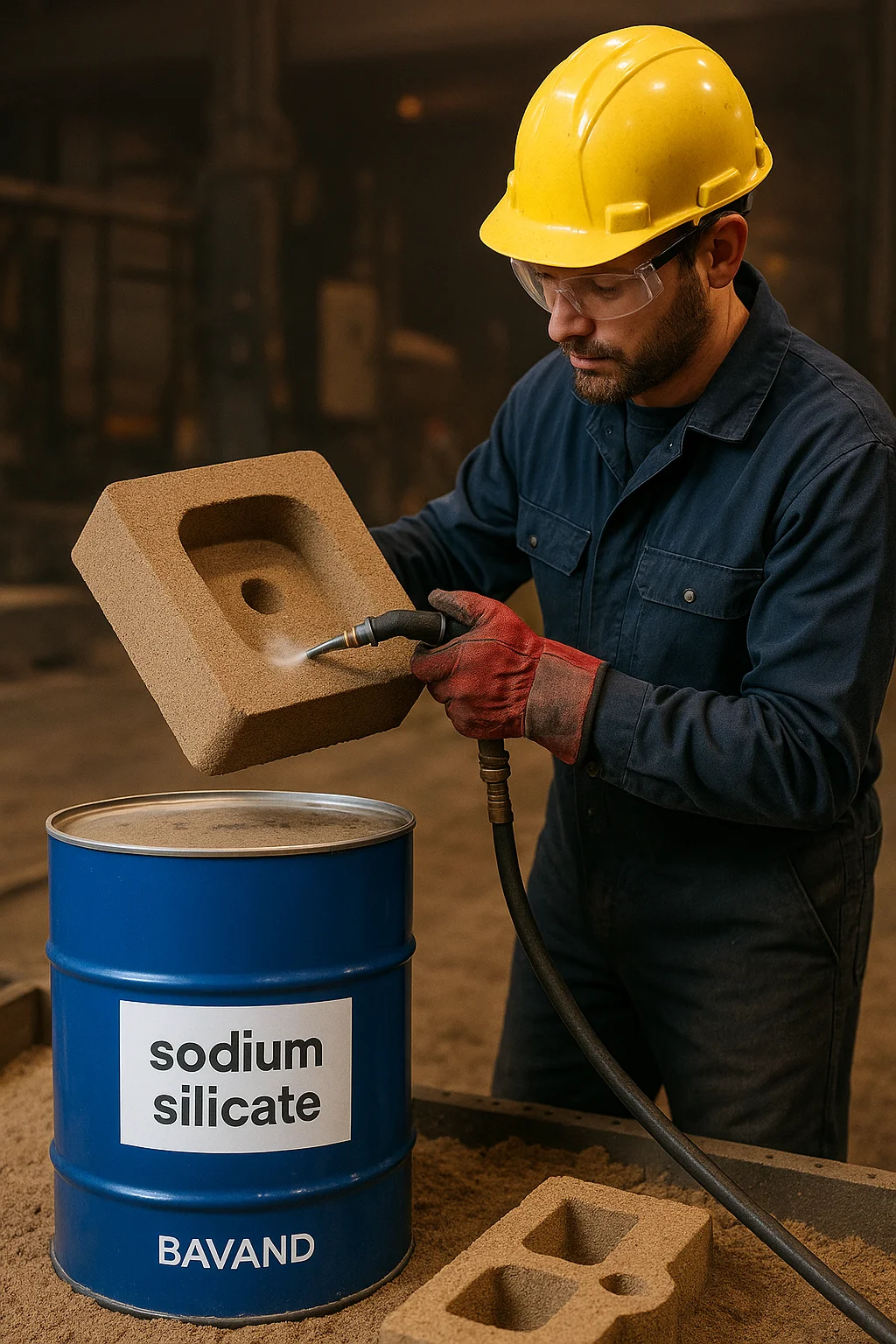
·Binder/adhesive for cores and molds; room-temperature curing with CO₂.
·Higher green strength and reduced defects (veining/penetration) with suitable modulus.
·Recommended grade: typically 2.6–3.0; for specific cores, also evaluate 2.2–2.6.
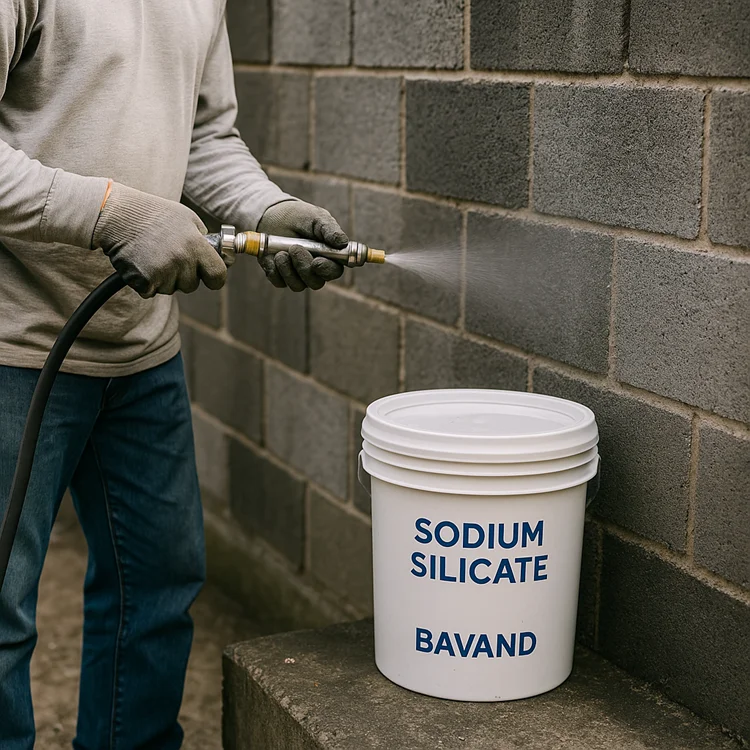
·Reduces permeability, improves durability; acts as active silicate source in geopolymers.
·Used in crack/void injection and mineral coatings on concrete/brick.
·Recommended grade: 3.1–3.3 (good solution stability).
· Execution note: Low dose and proper curing control to prevent efflorescence.
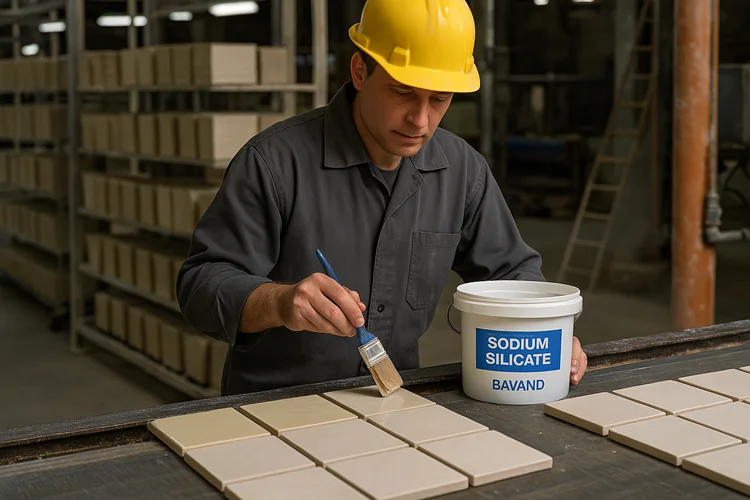
· Improves dispersion, stabilizes slips, prevents settling.
· Enhances surface quality, gloss, and reduces cracking.
· Recommended grade: 2.2–2.5 for light slips; 3.1+ for some glazes.
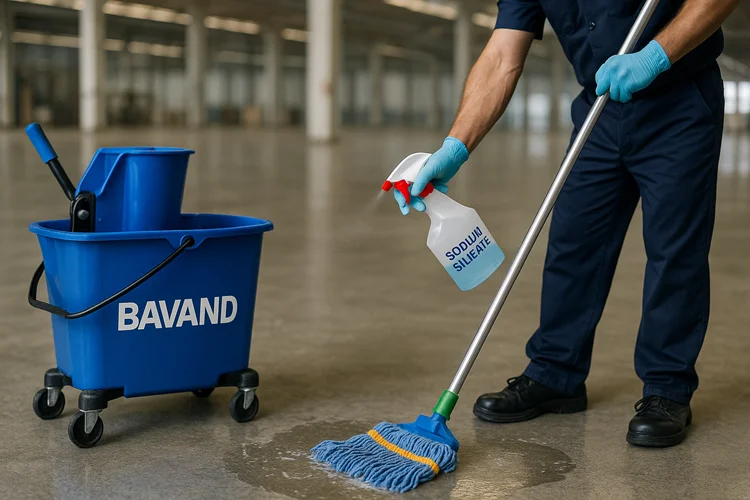
· Provides effective alkalinity, corrosion inhibition, soil dispersion; improves surfactant performance.
·Starting dose: 0.5–2% in the working solution (system-dependent).
· Recommended grade: 2.0–2.5 (faster dissolution/higher alkalinity).
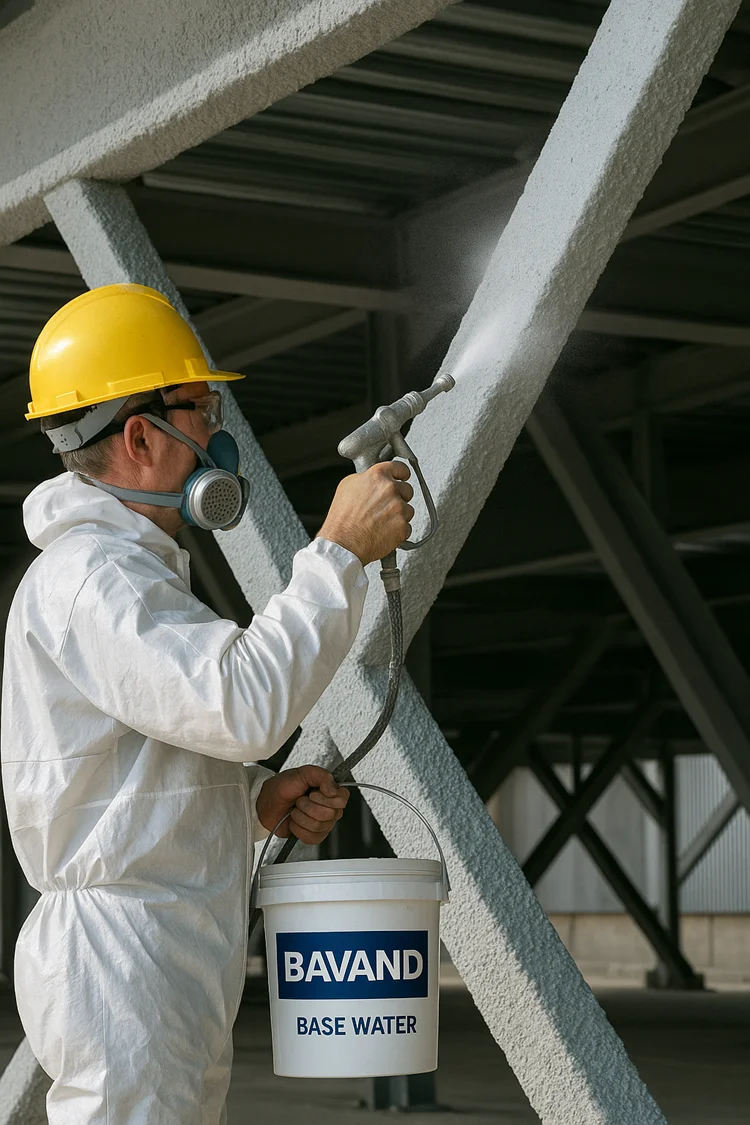
·Forms a non-flammable silicate network on metal/concrete/gypsum.
· Flame stability and resistance to moisture/chemicals.
· Recommended grade: 2.5–3.2 depending on the coating system.
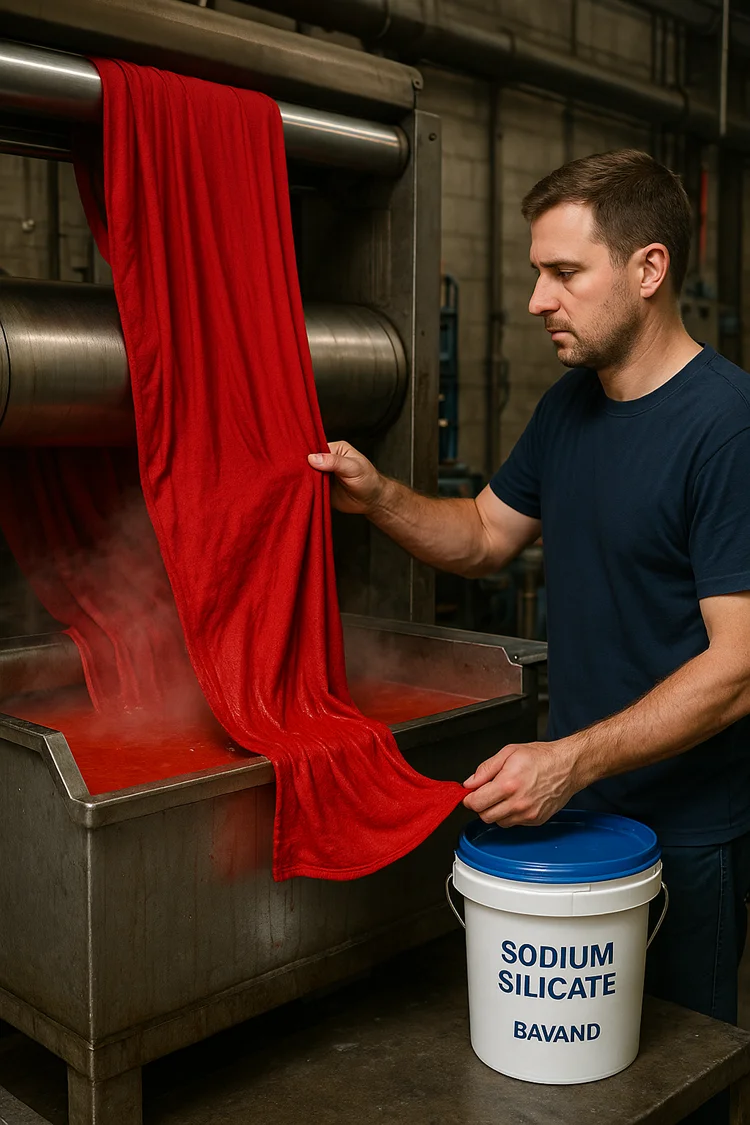
·Fixes reactive dyes, increases dye adhesion, reduces flaking.
·Environmental advantage over some fixatives.
· Recommended grade: around 3.0.
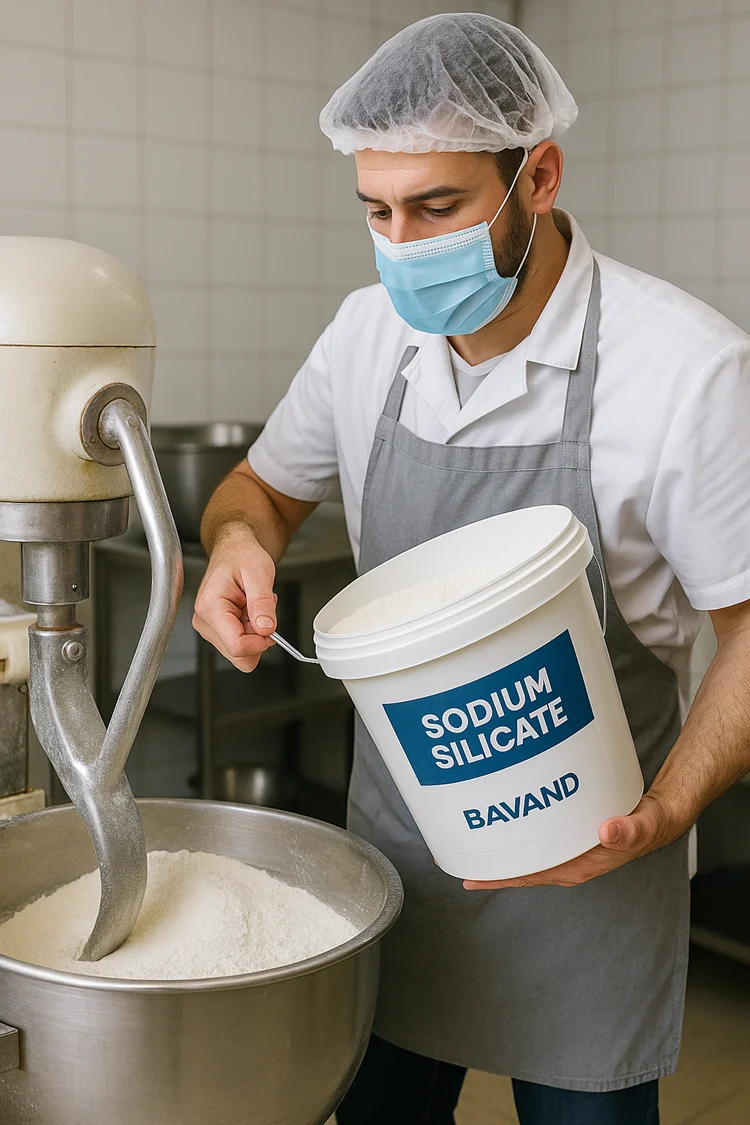
·Helps powders (e.g., milk powder, spices) remain free-flowing in industrial packaging.
· Mandatory: observe safety standards and indirect/process contact per regulations.
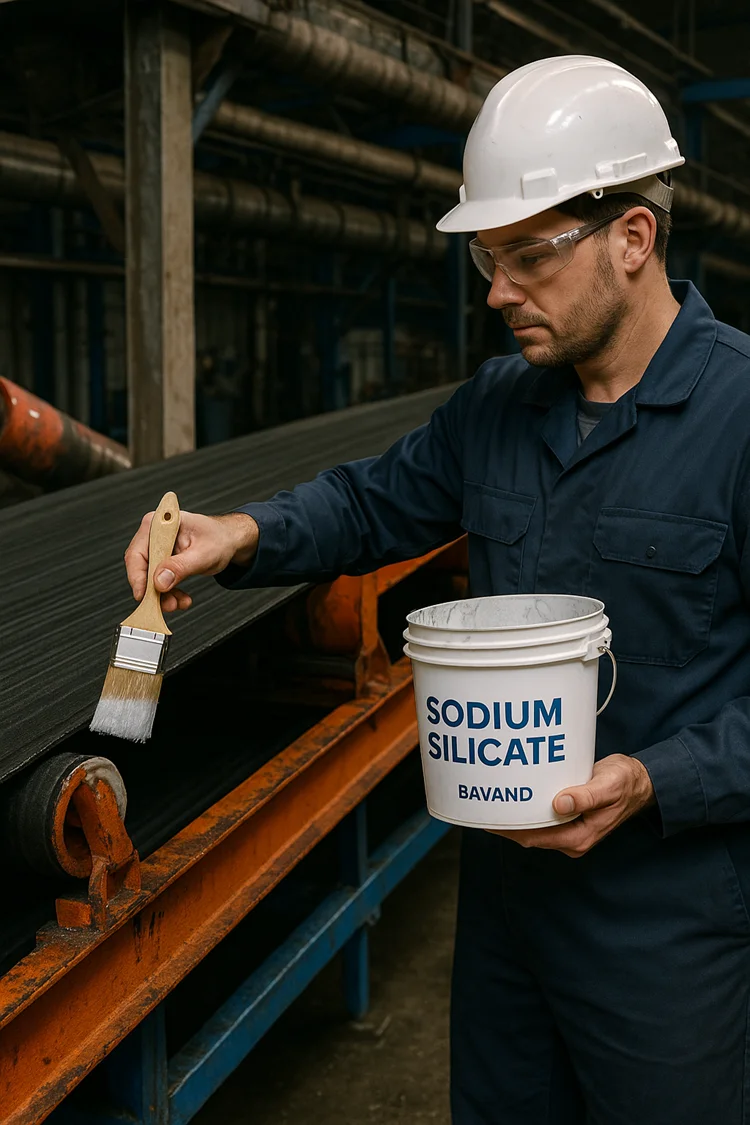
·Forms a hard mineral layer stable against wear/moisture/chemicals.
·Suitable for humid/corrosive industrial environments.
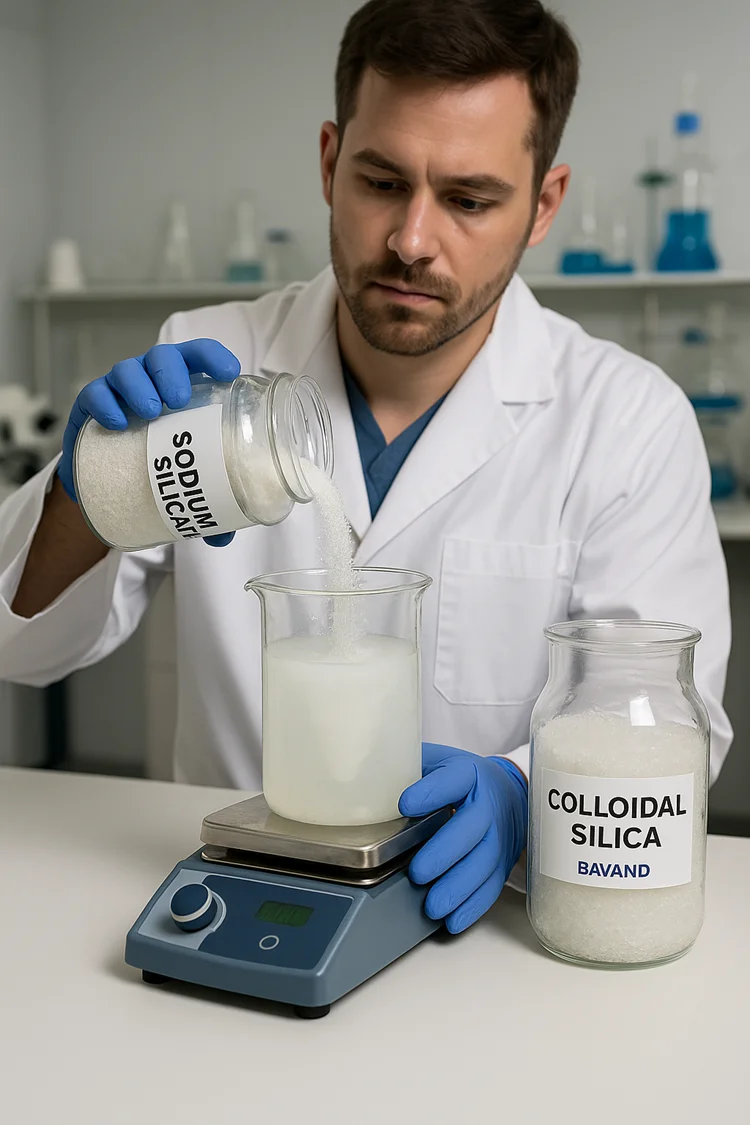
· Primary feedstock for silica gel, nanosilica, and metasilica with controlled size/properties.
· Used in paints, coatings, catalysts, refractories.
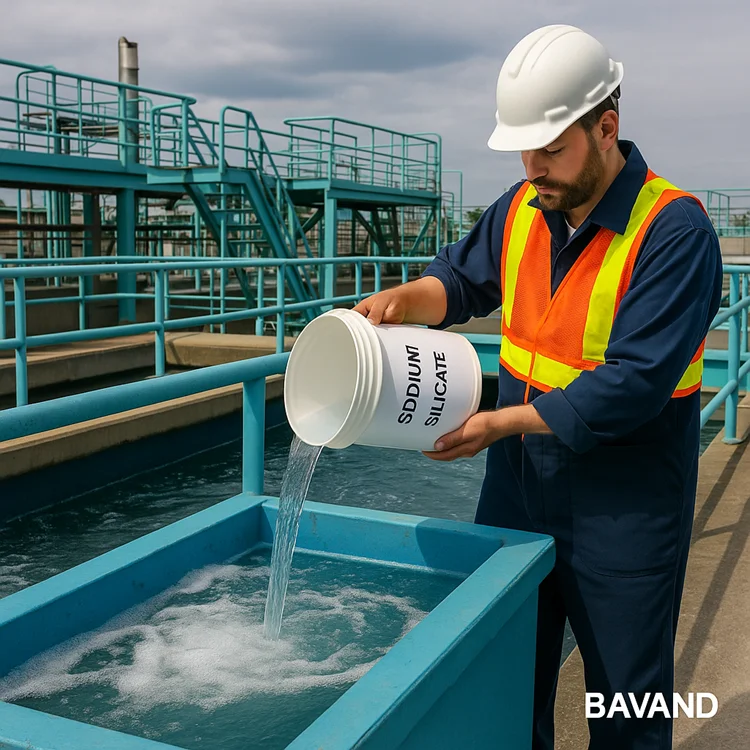
·Aids coagulation/flocculation, reduces scaling, forms a protective layer on metals.
· Note: pH/dose tuning is essential to avoid cloudiness.
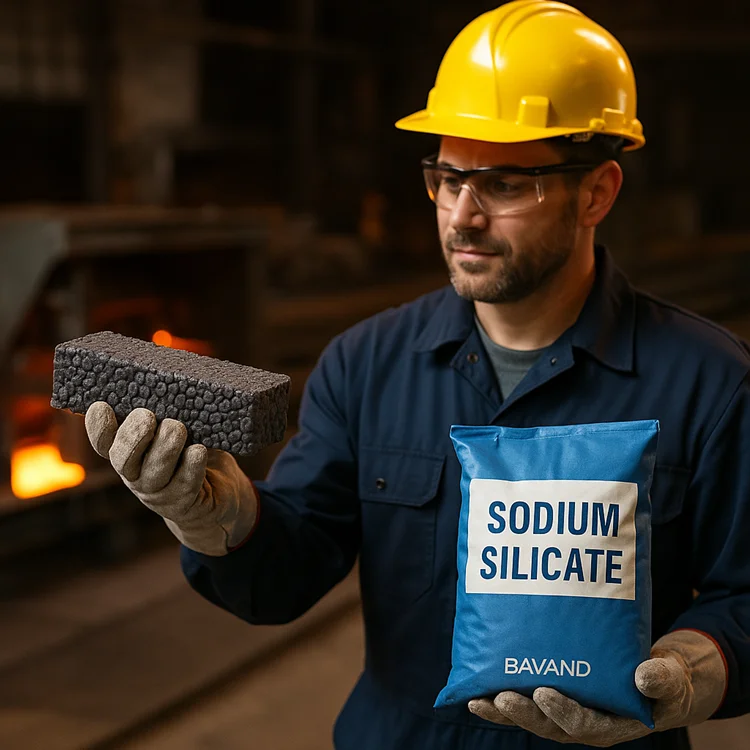
·Improves particle adhesion, shape uniformity, and reduces dust.
· Safety advantage versus some organic resins.
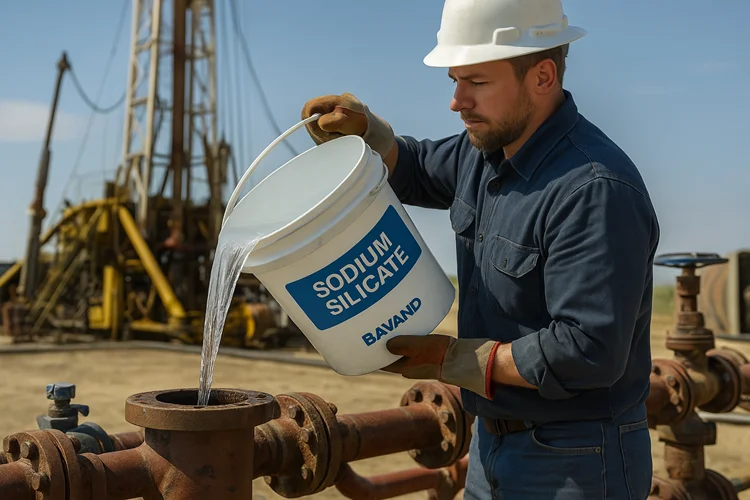
· Stabilizes borehole walls, reduces permeability and collapse risk.
· Improves rheology of drilling mud.
|
Practical Note |
Key Process Note |
Proposed Modulus (SiO₂/Na₂O) |
Industry/Application |
|
Synergy with starch/fillers |
5–15% solution, viscosity control |
2.6–3.0 |
Paper & Carton / Egg Trays |
|
Room temperature is sufficient |
CO₂ gassing; high green strength |
2.6–3.0 (sometimes 2.2–2.6) |
Sand Casting (CO₂) |
|
Reduced permeability/efflorescence |
Low dose; curing care |
3.1–3.3 |
Concrete/Mortar/Geopolymer |
|
Better surface/gloss |
Dispersion; anti-settling |
2.2–2.5 (up to 3.1+) |
Ceramics/Glazes |
|
Working dose 0.5–2% |
Effective alkalinity; corrosion inhibition |
2.0–2.5 |
Detergents |
|
For metal/concrete structures |
Stable silicate network |
2.5–3.2 |
Fire-/Corrosion-Resistant Coatings |
|
Reduced flaking |
Reactive dye fixation |
~3.0 |
Textiles |
|
pH control is critical |
Coagulation/layer formation |
System-dependent |
Water Treatment |
|
Higher safety |
Adhesion & dust reduction |
3.2 |
Metal Briquetting |
|
Rheology control |
Wall stabilization |
2.5–3.0 |
Drilling |
Bavand Chemical note: The final modulus depends on the overall formulation, water quality, temperature, and additives. Bavand Chemical’s technical team supports you on formulation and pilot testing.
· Accurate modulus (SiO₂/Na₂O) and batch-to-batch repeatability
· Na₂O% and SiO₂% (effective purity)
·Fe₂O₃ (color/clarity for sensitive uses)
· Insolubles and moisture (lower = better dissolution & stability)
·Uniform particle size (granule/flake) for lower dust and faster dissolution
· Valid, up-to-date COA/SDS
·Moisture-proof packaging (laminated/double-layer bags + pallet + stretch wrap)
· Strongly alkaline; skin/eye contact may cause irritation/burns.
·PPE: alkali-resistant gloves, goggles, apron, safety shoes.
·Storage: dry/cool area, away from moisture and acids; FIFO to prevent caking.
· Emergency: prolonged water rinsing for skin/eye contact and refer to SDS instructions.
·Bavand Chemical provides up-to-date SDS and practical safety guidance to customers.
·Unwanted gelation: low temperature or high concentration → raise temperature, gradual dilution, continuous agitation.
·Cloudiness/precipitation: hard water or metallic contamination → use soft/deionized water and filtration.
· Unreliable carton adhesion: mismatched modulus → A/B test between 2.6–3.0 and leverage synergy with starch/polymers.
·Efflorescence on concrete: excessive dose/poor curing → reduce dose, improve curing, consider silane/siloxane within coating systems.
· Issue: weak adhesion, long set time, high returns.
· Solution: replace part of the binder with a 10% solution of solid sodium silicate, modulus 2.8; dissolution at 80 °C, working pH ≈ 11.5, plus 1% dispersing aid.
·Result:
o +18% increase in standard dry strength (TAPPI)
o −12% reduction in on-line set time
o −9% reduction in total binder consumption per k㎡
· Role of Bavand Chemical: supply the right grade, provide COA/SDS, and formulation consulting.
·Modulus suited to application (2.6–3.0 for adhesive/foundry; 3.1+ for concrete/glaze).
· Valid COA/SDS and control of Fe₂O₃ / insolubles / moisture.
·Form of supply (granule/flake) aligned with dissolution equipment.
· Moisture-proof packaging + quality-preservation agreement for transport.
·20–50 kg sample and A/B pilot run.
·Technical support; especially for tuning modulus/solids and compatibility with additives (Bavand Chemical service).
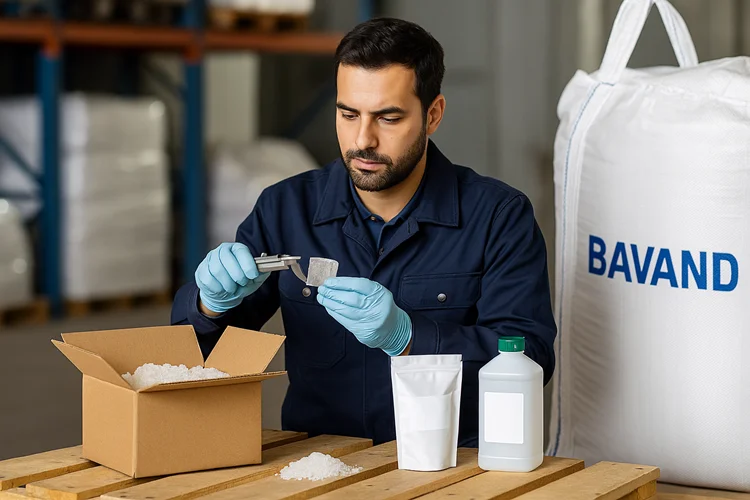
Thanks to its attractive price, formulation flexibility, and wide applicability, solid sodium silicate is a strategic choice for paper & carton lines, foundries, concrete, ceramics, detergents, textiles, water treatment, and more. The keys to success are correct modulus selection, proper dissolution, dose control, and pilot testing. Bavand Chemical can support you end-to-end—from supplying the right grade to COA/SDS, formulation consulting, and troubleshooting.
For price inquiries, samples, COA/SDS, and specialized consulting, get in touch with Bavand Chemical’s technical team. If you have experience working with solid sodium silicate, share it in the comments to help make this guide even more complete.